Winter can take a toll...





Maintaining a healthy gut is essential for overall health and well-being. The foods we eat play a vital role in keeping our gut healthy. In this blog post, we will discuss 12 foods that can help promote a healthy gut and improve digestion. These foods are not only nutritious but also delicious, making it easy to incorporate them into your daily diet.

Fermented foods contain probiotics that can promote a healthy gut by increasing the amount of good bacteria in the digestive system. Some examples of fermented foods include yogurt, kimchi, sauerkraut, kefir, tempeh, and miso. These foods can help improve digestion, boost the immune system, and reduce inflammation in the gut. Additionally, fermented foods are a great source of nutrients like vitamins, minerals, and antioxidants.

High-Fiber Foods are essential for maintaining good gut health. They are not only nutrient-dense but also help regulate digestion and promote the growth of beneficial gut bacteria. Some high-fiber foods that are great for your gut health include whole grains, beans, legumes, nuts, and seeds. These foods help prevent constipation and reduce the risk of inflammation in the gut.

Prebiotic foods are high in dietary fiber and promote the growth and activity of beneficial bacteria in the gut. Some of the best sources of prebiotics include garlic, onions, leeks, asparagus, bananas, and apples. Prebiotic foods are not digested by the small intestine, but rather pass through to the colon, where they are fermented by bacteria into short-chain fatty acids, which have numerous health benefits. Incorporating prebiotic foods into your diet can help improve gut health and promote a healthy microbiome.

Probiotic supplements are another way to support the health of your gut microbiome. Probiotics are live microorganisms that provide various health benefits when consumed in adequate amounts. They can help replenish the beneficial bacteria in your gut and support your digestive and immune systems. Probiotics are available in many forms, including capsules, tablets, powders, and drinks. It’s important to choose a high-quality supplement that contains strains of bacteria that are beneficial for your specific needs. Consult with a healthcare provider to determine the appropriate dosage and type of probiotic supplement for you.

Proteins are the building blocks of the body and play a crucial role in maintaining gut health. However, not all proteins are created equal. Some can irritate the gut lining and cause inflammation, while others can help repair and protect it. Lean proteins such as chicken, turkey, fish, and eggs are great options for maintaining gut health. They are easy to digest and provide essential amino acids, which are necessary for the repair and growth of gut cells. Additionally, they are low in saturated fats, which can cause inflammation in the body and negatively affect gut health.

Nuts and seeds are an excellent addition to a healthy gut diet. They are rich in fiber, healthy fats, and minerals that promote gut health. For example, flaxseeds and chia seeds are excellent sources of fiber, while almonds and walnuts are packed with healthy fats.
In addition, nuts and seeds are also a good source of prebiotics, which promote the growth of beneficial bacteria in the gut. They are also rich in vitamin E, which acts as an antioxidant and helps to protect the gut lining from damage.
However, it’s important to note that nuts and seeds are also high in calories, so it’s best to enjoy them in moderation as part of a balanced diet. You can add them to your meals as a snack, sprinkle them on your salads, or blend them into a smoothie for an extra boost of nutrition.
Whole grains are an excellent source of fiber, which helps to feed the good bacteria in your gut. They also contain prebiotics, which promote the growth of beneficial bacteria. Examples of whole grains include brown rice, quinoa, oatmeal, whole-wheat bread, and barley. Whole grains are also rich in vitamins, minerals, and antioxidants that can help support a healthy gut and overall well-being. When shopping for whole grains, look for products that are minimally processed and avoid those that contain added sugars or artificial ingredients.

Low-FODMAP foods are those that are low in fermentable carbohydrates that can trigger gut symptoms in some individuals, especially those with irritable bowel syndrome (IBS). These foods can include certain fruits and vegetables like berries, citrus fruits, cucumbers, carrots, and bell peppers, as well as some grains like quinoa, oats, and brown rice. Incorporating low-FODMAP foods into your diet can help alleviate digestive issues and promote a healthy gut. However, it’s important to work with a healthcare professional or registered dietitian to ensure a balanced and varied diet while following a low-FODMAP eating pattern.

nflammation is a natural response of the immune system to injury or infection. However, chronic inflammation can lead to a host of health problems, including digestive issues. Including anti-inflammatory foods in your diet can help reduce inflammation and promote a healthy gut.
Some of the best anti-inflammatory foods include fatty fish such as salmon, tuna, and sardines, which are rich in omega-3 fatty acids. Other good sources of omega-3s include flaxseeds, chia seeds, and walnuts.
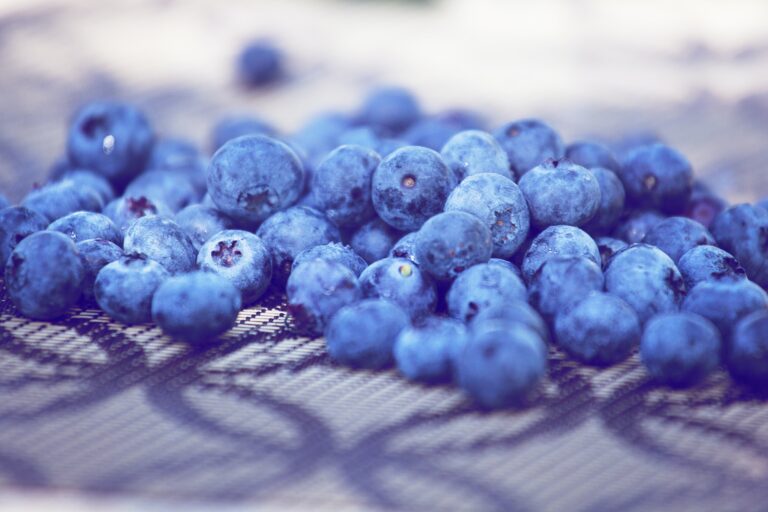
Berries, particularly dark-colored ones like blueberries, blackberries, and raspberries, are also excellent sources of anti-inflammatory compounds called anthocyanins. Leafy greens like spinach, kale, and collard greens are also packed with anti-inflammatory nutrients such as vitamins A, C, and K, as well as minerals like iron and calcium.
Turmeric is another potent anti-inflammatory food that can be easily added to your diet. This bright yellow spice contains a compound called curcumin, which has been shown to have strong anti-inflammatory and antioxidant properties.
In addition to these foods, incorporating healthy fats like olive oil, avocados, and nuts can also help reduce inflammation. On the other hand, it’s best to limit or avoid processed and refined foods, as well as foods high in saturated and trans fats, as these can contribute to inflammation in the body.

Bone broth has been a popular food for centuries and is known for its numerous health benefits, including its ability to improve gut health. This nutrient-rich broth is made by simmering bones, meat, and vegetables in water for an extended period. The long cooking process extracts collagen, gelatin, and minerals from the bones, which provide numerous benefits to the gut. Collagen and gelatin help to heal the gut lining, while the minerals found in bone broth, such as magnesium and potassium, can help to reduce inflammation in the gut. Additionally, bone broth is rich in amino acids, such as glutamine and glycine, which have been shown to support gut health and improve digestion.

Apple cider vinegar is a fermented liquid that has been used for its medicinal properties for centuries. It is made by crushing apples and allowing the juice to ferment with the addition of yeast and bacteria. Apple cider vinegar is rich in acetic acid, which has been shown to help balance the pH of the gut and promote the growth of beneficial bacteria. Additionally, it has anti-inflammatory properties that can reduce inflammation in the gut and improve digestion. Incorporating apple cider vinegar into your diet can be as simple as adding a tablespoon to a glass of water or using it as a salad dressing. However, it is important to note that excessive consumption can lead to negative effects, so it should be used in moderation.

Water is essential for maintaining a healthy gut. It helps to soften stool, making it easier to pass and reducing the risk of constipation. Additionally, it helps to flush out toxins and waste products from the body, which can reduce inflammation in the gut.
Dehydration can also cause digestive issues such as bloating and constipation. It’s important to drink enough water throughout the day to keep the digestive system functioning properly. The recommended amount of water varies depending on age, sex, activity level, and other factors, but a general guideline is to drink at least eight glasses of water per day.
In addition to drinking plain water, other fluids such as herbal tea and coconut water can also help to hydrate the body and support a healthy gut. However, it’s important to limit or avoid sugary drinks and alcohol, as these can have a negative impact on gut health.
In conclusion, maintaining a healthy gut is crucial for overall health and well-being. Including a variety of foods such as fermented foods, high-fiber foods, prebiotic foods, lean proteins, nuts and seeds, whole grains, and low-FODMAP foods can help support a healthy gut. Additionally, consuming anti-inflammatory foods like bone broth, apple cider vinegar, and drinking enough water can also promote gut health. By making these foods a regular part of your diet and taking steps to eliminate gut irritants, you can help support a healthy gut and improve your overall health.