Winter can take a toll...





A healthy heart is essential for a healthy life. Your diet plays a vital role in maintaining a healthy heart. In this article, we will discuss 14 foods that are excellent for heart health. Incorporating these foods into your diet can help you reduce the risk of heart disease and maintain a healthy heart.
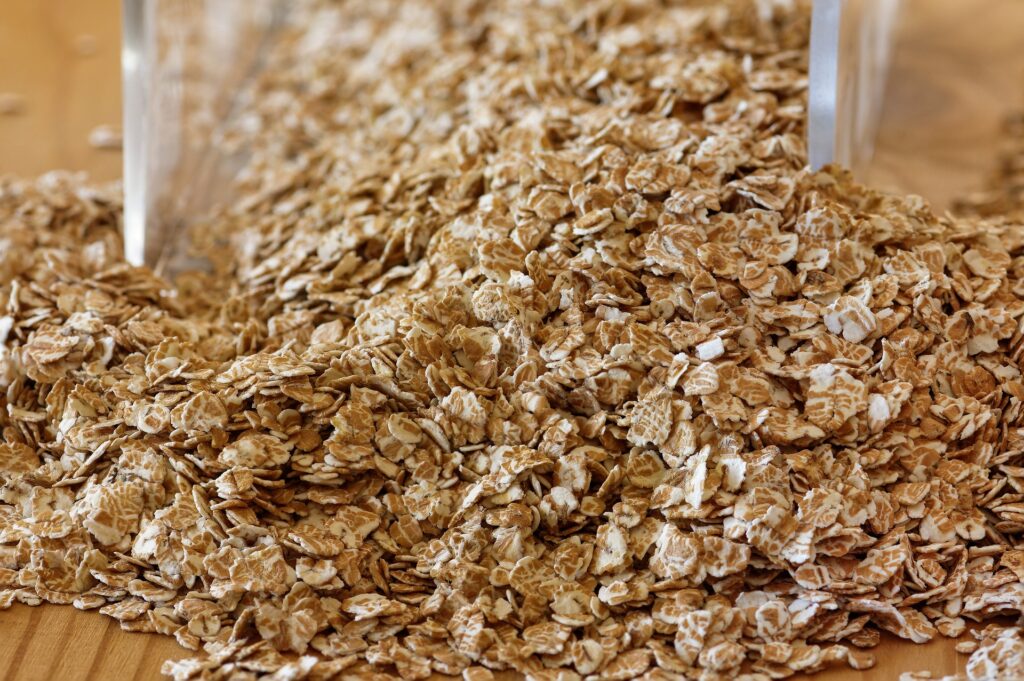
Oats are a type of whole grain that are rich in fiber and other nutrients that can be beneficial for heart health. The soluble fiber in oats can help to lower levels of LDL cholesterol, or “bad” cholesterol, which can reduce the risk of heart disease. Oats also contain antioxidants called avenanthramides, which have anti-inflammatory effects and may help to protect against the development of atherosclerosis, or the buildup of plaque in the arteries.
Oats are a versatile food that can be enjoyed in a variety of ways, such as in oatmeal, granola, or baked goods. When purchasing oats, it is important to look for those that are minimally processed and do not contain added sugars or other additives. Steel-cut oats and old-fashioned rolled oats are good options, as they are less processed than instant oats and still contain the whole grain.

Avocado is a nutrient-dense fruit that is rich in healthy monounsaturated fats, fiber, potassium, and other essential nutrients that are beneficial for heart health. This delicious and versatile fruit is also a good source of plant-based protein, which makes it a great choice for vegetarians and vegans. Avocado is known to help lower levels of bad cholesterol (LDL) and triglycerides, which are risk factors for heart disease. It also contains antioxidants like vitamin E that protect the heart from damage caused by free radicals. Adding avocado to your diet can help improve blood lipid levels, lower blood pressure, and reduce the risk of heart disease.
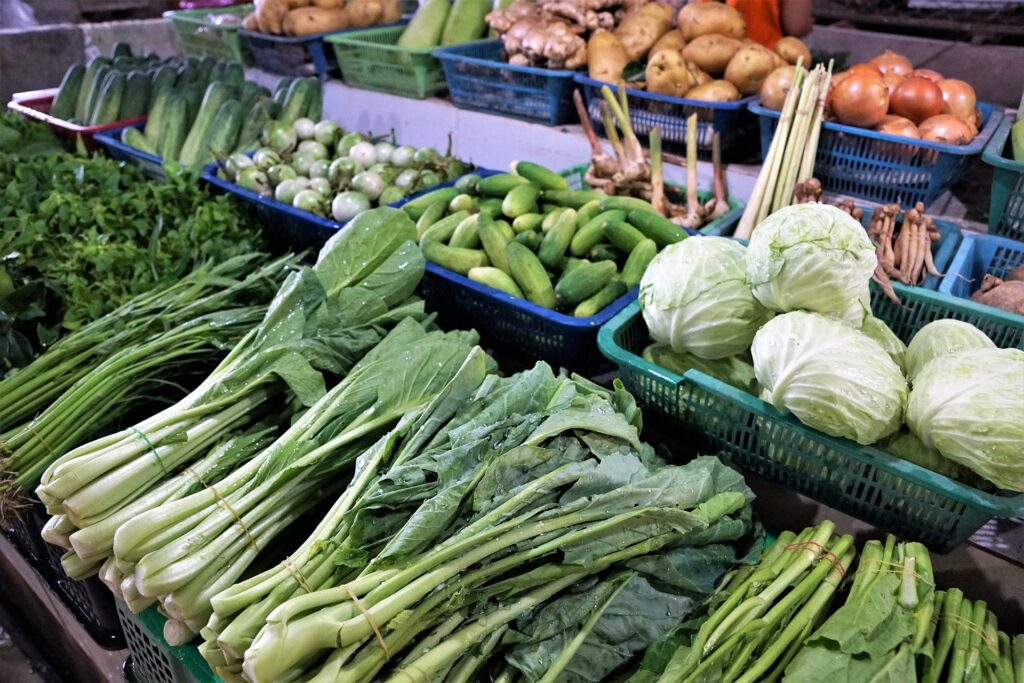
Leafy greens, such as spinach, kale, and collard greens, are packed with vitamins, minerals, and fiber that are beneficial for heart health. They are also rich in antioxidants that help to reduce inflammation, which is a major contributor to heart disease. Spinach, for example, is high in nitrates that can help to lower blood pressure, while kale is a good source of vitamin K, which is essential for healthy blood clotting. Collard greens are also rich in fiber and can help to lower cholesterol levels. Incorporating these leafy greens into your diet is an easy way to promote heart health.

Berries, such as blueberries, strawberries, and raspberries, are packed with heart-healthy nutrients. They are rich in antioxidants, which help protect the heart from damage caused by harmful molecules called free radicals. Berries are also a good source of fiber, which can help lower cholesterol levels and reduce the risk of heart disease. Additionally, they are low in calories and sugar, making them a great option for those looking to maintain a healthy weight.

Nuts are a great source of healthy fats, fiber, and protein. Eating a handful of nuts per day has been associated with a lower risk of heart disease. Almonds, walnuts, and pistachios are particularly heart-healthy choices. Almonds are high in monounsaturated fats, which can help lower cholesterol levels. Walnuts contain omega-3 fatty acids, which can reduce inflammation and improve blood vessel function. Pistachios are high in antioxidants, which can help reduce oxidative stress and inflammation. Just be mindful of portion sizes, as nuts are calorie-dense. A small handful per day is a good serving size.

Legumes, such as beans, lentils, and chickpeas, are a great addition to a heart-healthy diet. They are low in fat and high in protein, fiber, and minerals such as potassium and magnesium. These nutrients help regulate blood pressure and reduce the risk of heart disease. Legumes are also a good source of folate, which plays a key role in reducing levels of homocysteine in the blood, a compound associated with an increased risk of heart disease.

Tomatoes are a tasty and versatile fruit that can be added to a variety of dishes, from salads to sauces. They are also packed with nutrients that can help support heart health. Tomatoes are a rich source of lycopene, a carotenoid that has been shown to have anti-inflammatory and antioxidant properties, which may help reduce the risk of heart disease. Additionally, they are a good source of potassium, which can help lower blood pressure, another risk factor for heart disease.

Dark chocolate, with at least 70% cocoa solids, is a heart-healthy treat. It contains flavonoids, which are antioxidants that can help reduce inflammation and improve blood flow. Eating a small amount of dark chocolate each week may lower your risk of heart disease. However, it’s important to keep in mind that chocolate is high in calories and sugar, so it should be enjoyed in moderation as part of a balanced diet.

Whole grains (brown rice, quinoa, whole-wheat bread) are nutrient-dense foods that can help keep your heart healthy. Whole grains are high in fiber, which can help reduce cholesterol levels and lower the risk of heart disease. Additionally, whole grains contain vitamins and minerals that are important for heart health, such as magnesium, potassium, and folate.
Brown rice is a great source of whole grains and is a heart-healthy alternative to white rice. Quinoa is also a great source of whole grains and is high in protein, fiber, and various vitamins and minerals. Whole-wheat bread is another great source of whole grains and can help lower cholesterol levels when consumed as part of a healthy diet. Incorporating these whole grains into your diet can help improve heart health and reduce the risk of heart disease.

Garlic is a popular ingredient in many cuisines around the world, known for its strong flavor and aroma. It is also a heart-healthy food that has been linked to a reduced risk of cardiovascular disease. Garlic contains compounds such as allicin, which can help lower blood pressure and cholesterol levels, and reduce the risk of blood clots.
Research has shown that consuming garlic regularly may also help improve the function of the endothelium, which is the lining of the blood vessels. This can lead to better blood flow and reduced risk of heart disease. Additionally, garlic has anti-inflammatory properties, which can further contribute to heart health by reducing inflammation in the body.
To incorporate more garlic into your diet, try adding it to your meals as a seasoning or ingredient in dishes such as soups, stews, and roasted vegetables. Garlic can also be used to make a flavorful and heart-healthy salad dressing or marinade. Just be mindful of your garlic intake, as consuming too much may lead to bad breath and digestive issues.

Olive oil is a heart-healthy fat that has been shown to have numerous health benefits. It is rich in monounsaturated and polyunsaturated fats, which can help lower bad cholesterol levels and reduce the risk of heart disease.
Studies have also shown that olive oil has anti-inflammatory properties and may help improve endothelial function, which is the ability of the blood vessels to dilate and contract properly. This can help lower blood pressure and improve overall cardiovascular health.
When choosing olive oil, it’s best to opt for extra-virgin olive oil, as it is less processed and retains more of its beneficial compounds. It’s also important to use olive oil in moderation, as it is still high in calories and should be used as a replacement for other fats in the diet, rather than added on top of them.
Incorporating olive oil into your diet is easy – it can be used as a cooking oil, salad dressing, or even as a dip for bread. It is a tasty and versatile ingredient that can be enjoyed in a variety of dishes.

Green tea is a popular beverage that has been consumed for centuries in many parts of the world. It is made from the leaves of the Camellia sinensis plant and is known for its numerous health benefits. Green tea contains antioxidants called catechins, which are believed to help protect cells from damage and reduce the risk of chronic diseases such as cancer, heart disease, and diabetes.
Studies have shown that drinking green tea may also help to lower cholesterol levels, improve brain function, and promote weight loss. The caffeine and theanine content in green tea may also help to improve focus and increase alertness. Green tea is also known for its calming effects and may help to reduce stress and anxiety.
To reap the health benefits of green tea, it is recommended to drink two to three cups per day. It is important to note that green tea contains caffeine, which can cause negative side effects in some people, such as insomnia, anxiety, and increased heart rate. Pregnant women and people with certain medical conditions should also consult with their healthcare provider before consuming green tea.

Moderate consumption of red wine has been linked to a reduced risk of heart disease. Red wine contains antioxidants called polyphenols, which can help protect the lining of blood vessels in the heart.
However, it’s important to note that excessive alcohol consumption can have negative effects on the heart and overall health. The American Heart Association recommends that women limit their intake to one glass per day and men limit their intake to two glasses per day. It’s also important to talk to a healthcare provider about any potential risks or interactions with medications before adding red wine to your diet.
In conclusion, incorporating these 14 heart-healthy foods into your diet can provide numerous benefits for your cardiovascular health. From reducing inflammation to lowering cholesterol levels, these foods have been shown to have a positive impact on heart health. Remember to balance your diet with a variety of nutrient-rich foods and speak with a healthcare provider or registered dietitian for personalized recommendations.