Winter can take a toll...




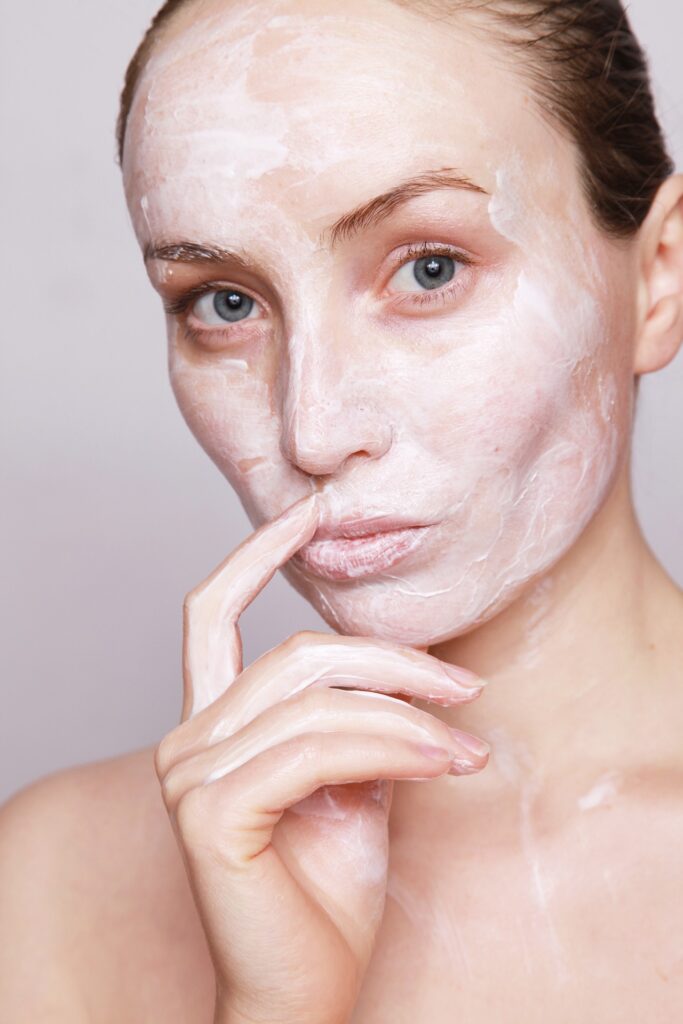
There are countless myths and misconceptions about skincare, making it difficult to separate fact from fiction. Some of these myths can do more harm than good, leading to ineffective routines and even skin damage. In this blog post, we will debunk 19 common skincare myths and provide evidence-based information to help you make informed decisions about your skincare routine.
It is a common belief that the more expensive a skincare product is, the better it is for your skin. However, this is not necessarily true. The price of a skincare product does not always determine its effectiveness or quality. In fact, many affordable skincare products contain the same ingredients and produce similar results as their expensive counterparts. It is important to focus on the ingredients and their benefits rather than the price tag when choosing skincare products.
One of the most common skincare myths is that washing your face frequently will lead to clearer skin. However, over-washing your face can strip away natural oils, leading to dryness, irritation, and even breakouts. It is recommended to wash your face twice a day, in the morning and at night, using a gentle cleanser suitable for your skin type.
There’s a common misconception that the most expensive skincare products are the best, but that’s not always the case. The price of a skincare product doesn’t necessarily indicate its quality or effectiveness. In fact, some expensive products may contain unnecessary or potentially harmful ingredients.
It’s important to read the label and research the ingredients in a product before purchasing it, regardless of the price. Some affordable skincare products contain the same ingredients as their more expensive counterparts and may work just as well for your skin. Don’t be fooled by the price tag and make sure to choose products based on their ingredients and your skin’s specific needs.
There is a common misconception that natural skincare products are always better for your skin. While some natural ingredients can be beneficial, not all natural products are safe or effective. Additionally, just because a product is synthetic or lab-made does not necessarily mean it is harmful or less effective than a natural product.
In fact, some natural ingredients, such as citrus oils or fragrances, can actually be irritating to the skin and cause inflammation or allergic reactions. On the other hand, synthetic ingredients such as retinoids and glycolic acid have been extensively studied and shown to be effective in treating various skin concerns.
It’s important to remember that the safety and efficacy of a skincare product depend on its specific ingredients, not just whether it’s labeled as “natural” or not. Always do your research and read the ingredient list before purchasing a skincare product.
Many people believe that tanning beds are a safer way to achieve a tan because they can control the exposure time and intensity of the UV radiation. However, this is a dangerous myth. Tanning beds emit high levels of UV radiation, which can lead to skin damage and increase the risk of skin cancer. In fact, tanning beds are classified as a Group 1 carcinogen by the World Health Organization, which means they are known to cause cancer in humans. If you want to achieve a tan, it’s safer to use a self-tanner or spray tan, or simply enjoy the natural color of your skin.
It’s a commonly believed myth that drinking more water will directly hydrate your skin. While it’s true that drinking water is important for overall health and can indirectly benefit your skin, it’s not a direct solution to skin dehydration. The outermost layer of our skin, the stratum corneum, is responsible for retaining moisture, and it does so by forming a barrier that prevents water loss. Drinking water alone won’t necessarily penetrate this layer or repair its damaged structure.
However, staying hydrated is still important for maintaining healthy skin. Proper hydration can help prevent skin dryness and flakiness, and can improve the overall appearance and texture of the skin. So, while drinking water won’t necessarily directly hydrate your skin, it’s still an important aspect of overall skin health.
It’s easy to believe that using a lot of skincare products will improve your skin, but the truth is that overloading your skin with too many products can actually do more harm than good. Using too many products can clog pores, irritate the skin, and cause breakouts. It’s best to keep your skincare routine simple and use only the products that your skin truly needs. Additionally, using too many anti-aging products can have a drying effect on the skin, making it look older and more dull instead of youthful and glowing. Stick to a basic routine of cleansing, toning, and moisturizing, and add in any additional products only as needed.
Fact: While sunglasses are crucial for protecting your eyes from harmful UV rays, they also provide a shield for the delicate skin around your eyes. Prolonged exposure to the sun can cause wrinkles, fine lines, and age spots around your eyes. Therefore, wearing sunglasses that provide both UVA and UVB protection can help prevent premature aging and skin damage.
It’s a common misconception that skincare products can “shrink” your pores. Unfortunately, this is not the case. Pore size is determined by genetics and cannot be changed permanently by skincare products. However, using products that help unclog and cleanse pores can make them appear smaller temporarily. Additionally, keeping your skin clean and avoiding harsh, pore-clogging ingredients can prevent the appearance of enlarged pores.
One common misconception is that the rougher the exfoliator, the smoother your skin will be. However, over-exfoliating can strip the skin of its natural oils and cause irritation. It is important to use gentle exfoliators and not overdo it, especially if you have sensitive skin. In addition, exfoliating too frequently can cause micro-tears in the skin, leading to inflammation and even acne breakouts. It is recommended to exfoliate no more than two to three times per week, depending on your skin type.
One common misconception is that if you have oily skin, you don’t need to moisturize. However, skipping moisturizer can actually make oily skin worse. Without proper hydration, your skin will produce more oil to compensate for the dryness, leading to an even greasier complexion. Instead, look for lightweight, oil-free moisturizers that won’t clog your pores or make your skin feel heavy.
One of the most common misconceptions about anti-aging products is that they can completely reverse wrinkles and fine lines. While anti-aging products can help reduce the appearance of fine lines and wrinkles, they cannot completely erase them. It’s important to have realistic expectations when using anti-aging products and to understand that they work best as preventive measures rather than as a complete solution to aging skin. Additionally, it’s important to remember that genetics and lifestyle factors also play a significant role in how our skin ages.
Having a consistent skincare routine is important for maintaining healthy skin, but it’s not a magic solution for all skin problems. Some skin issues, such as acne or rosacea, may require medical treatment in addition to a skincare routine. It’s important to consult a dermatologist for more severe skin issues and to not rely solely on skincare products for a complete solution. Additionally, factors such as genetics, diet, and lifestyle habits can also play a role in skin health.
One of the most persistent skincare myths is that toothpaste can cure pimples. While it is true that toothpaste contains ingredients such as baking soda, hydrogen peroxide, and alcohol that can dry out pimples, it can also cause irritation and dryness to the skin. Moreover, toothpaste is not formulated for use on the skin, and applying it can cause redness, burning, and peeling. Therefore, it is best to stick to skincare products that are specifically designed to treat acne and pimples.
This is a common myth, but the reality is that neither hot nor cold water has any effect on the size of your pores. Pores do not have muscles around them that can open or close them like doors. However, hot water can actually strip your skin of its natural oils, leading to dryness and irritation. On the other hand, cold water can help to soothe inflammation and reduce puffiness. So, it’s best to use lukewarm water when washing your face to avoid any negative effects on your skin.
Many people believe that sun protection factor (SPF) is only necessary during the summer months. However, this is a common misconception. The sun’s harmful UV rays can still damage your skin even on cloudy or overcast days, so it’s important to wear sunscreen every day, regardless of the season. Sunscreen with a broad-spectrum SPF of at least 30 is recommended, and it should be reapplied every two hours, or more often if you’re swimming or sweating. By wearing sunscreen year-round, you can help protect your skin from premature aging, sunburn, and even skin cancer.
It’s a common belief that the higher the SPF (Sun Protection Factor) in your sunscreen, the better the protection you’ll receive from harmful UV rays. However, this is a myth. The truth is that while higher SPF sunscreens do offer greater protection, the difference in protection between SPF 30 and SPF 50 is minimal.
SPF 30 blocks about 97% of UVB rays, while SPF 50 blocks about 98%. So, using an SPF 50 sunscreen does not mean you are getting twice the protection of SPF 25 or even SPF 30. It’s also important to note that no sunscreen can provide 100% protection from the sun.
Another misconception is that the higher the SPF, the longer you can stay in the sun without reapplying. This is also false. Regardless of the SPF level, sunscreen should be reapplied every two hours or more frequently if you are swimming or sweating.
It’s also important to choose a sunscreen that offers broad-spectrum protection, meaning it protects against both UVA and UVB rays. UVA rays can cause skin aging and wrinkling, while UVB rays are responsible for sunburns and skin cancer.
One of the most common skincare myths is that acne is caused by dirty skin. This misconception has led many people to believe that they need to scrub their skin vigorously or use harsh soaps to get rid of acne, when in fact this can often exacerbate the problem.
The truth is that acne is caused by a combination of factors, including excess oil production, clogged pores, bacteria, and inflammation. While dirt and sweat can contribute to clogged pores, they are not the primary cause of acne. In fact, over-washing or over-scrubbing can strip the skin of its natural oils, leading to more oil production and potentially worsening acne.
It’s important to note that while poor hygiene is not a direct cause of acne, keeping your skin clean is still an essential part of acne prevention and treatment. Gentle cleansing with a mild, non-comedogenic cleanser can help remove excess oil and dirt without stripping the skin. Additionally, using products that contain ingredients like salicylic acid or benzoyl peroxide can help clear acne and prevent future breakouts.
There is a common misconception that a skincare routine needs to be complicated in order to be effective. However, this is not true. In fact, a complicated skincare routine can often do more harm than good.
Using too many products or harsh ingredients can irritate the skin and disrupt its natural balance, leading to issues like dryness, redness, and breakouts. Additionally, using too many products can be time-consuming and expensive, which can discourage people from sticking to their routine.
The truth is, an effective skincare routine doesn’t need to be complicated at all. In fact, a simple routine with a few key products can be just as effective as a more complex one. The key is to focus on using high-quality products that address your specific skin concerns, without overloading your skin with too many ingredients.
A basic skincare routine should include a gentle cleanser, moisturizer, and sunscreen. If you have specific skin concerns, such as acne or hyperpigmentation, you can add in targeted treatments like a spot treatment or serum. It’s important to be consistent with your routine and give it time to work, as results may not be immediate.
In conclusion, taking care of your skin is important for overall health and well-being. However, there are many myths and misconceptions about skincare that can lead to ineffective or even harmful practices. In this article, we have debunked 19 common skincare myths, including the belief that you only need sunscreen on sunny days, that washing your face more often is better, and that expensive or “natural” skincare products are always better.
It is important to understand the truth behind these myths and to prioritize ingredient quality, hydration, gentle care, and sun protection in your skincare routine. Additionally, it is important to seek professional advice for individual skin concerns and conditions.
Remember that a simple and consistent skincare routine that addresses your specific needs is key to achieving healthy and glowing skin. Don’t fall for the myths and misconceptions, and instead, prioritize good skincare habits for a lifetime of healthy skin.



Welcome to Kalukum.com! Our mission is to help you achieve optimal health and happiness through our articles, tips, and advice. We cover a wide range of topics, from nutrition and exercise to mental health and self-care. Our team of experts is dedicated to providing you with the latest research and insights to help you live your best life. Start your journey with us toward a healthier, happier you!
Copyright @ 2023 www.kalukum.com. All Rights Reserved.