Winter can take a toll...





Clear, glowing skin is a sign of good health and is something that many of us strive for. While there are countless skincare products and treatments available, the truth is that achieving clearer skin doesn’t have to be complicated or expensive. In fact, some of the most effective habits for promoting clear skin are simple and easy to incorporate into your daily routine.
In this post, we’ll share five simple habits that can help you achieve clearer, healthier skin. By following these habits, you’ll be able to improve your skin from the inside out, addressing issues like dryness, acne, and inflammation. Whether you’re dealing with chronic skin issues or simply looking to improve your complexion, these habits are a great place to start. So, without further ado, let’s dive into our top five habits for clearer skin!

One of the easiest and most effective habits for achieving clearer skin is simply drinking more water. When you’re dehydrated, your skin can appear dull, dry, and even flaky. By staying hydrated, you can help to keep your skin looking plump and radiant.
To reap the benefits of hydration for your skin, aim to drink at least eight glasses of water a day. If you struggle to drink enough water throughout the day, try carrying a reusable water bottle with you and sipping on it regularly. You can also add some flavor to your water with lemon or cucumber slices, or drink herbal tea or coconut water to help keep you hydrated.
It’s also worth noting that drinking more water can help to flush toxins from your body, which can contribute to clearer skin. So, not only is drinking more water good for your skin, but it’s good for your overall health as well.
In summary, drinking more water is an easy and effective habit for achieving clearer, healthier skin. By staying hydrated, you can help to keep your skin looking plump, radiant, and free of toxins. So, be sure to prioritize your water intake as part of your daily routine.

The foods you eat can have a significant impact on the health of your skin. Eating a balanced diet rich in fruits, vegetables, whole grains, and lean proteins can help to promote clear, healthy skin.
Some specific nutrients that are particularly beneficial for skin health include:
On the other hand, some foods can actually have a negative impact on skin health. Sugary and processed foods, for example, can contribute to inflammation and breakouts.
To promote clearer skin through your diet, aim to eat a variety of fruits, vegetables, whole grains, and lean proteins. Some skin-friendly foods to incorporate into your diet include:
In summary, eating a balanced diet rich in skin-friendly nutrients can help to promote clearer, healthier skin. Be sure to prioritize a variety of fruits, vegetables, whole grains, and lean proteins in your diet to reap the benefits for your skin.
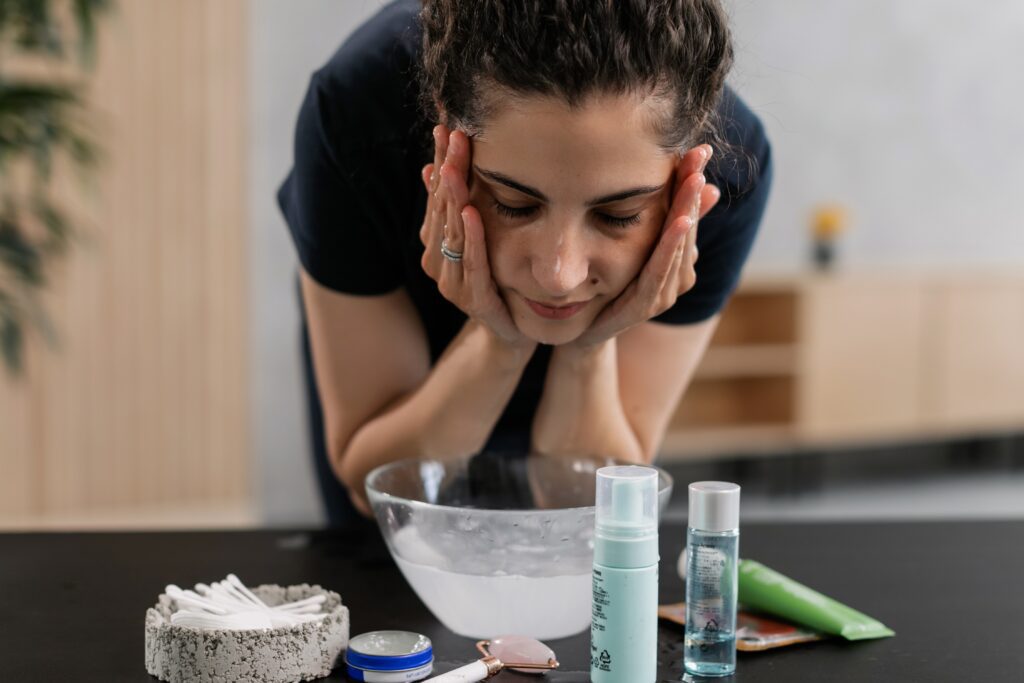
Maintaining good hygiene is essential for promoting clear, healthy skin. By keeping your skin clean and free of bacteria and dirt, you can reduce your risk of breakouts and other skin issues.
Here are some tips for practicing good hygiene:
In addition to these tips, it’s important to choose skincare products that are appropriate for your skin type and free of harsh ingredients that can irritate the skin. If you’re unsure about which products to use, consider consulting with a dermatologist for personalized recommendations.
In summary, practicing good hygiene is an essential habit for promoting clear, healthy skin. By keeping your skin clean and free of bacteria and dirt, you can reduce your risk of breakouts and other skin issues. Be sure to follow these tips and choose skincare products wisely to keep your skin looking its best.

Stress can have a negative impact on many aspects of your health, including the health of your skin. When you’re stressed, your body produces cortisol, a hormone that can increase oil production and inflammation in the skin, leading to breakouts and other skin issues.
To promote clearer, healthier skin, it’s important to manage your stress levels. Here are some tips for doing so:
In addition to these tips, it’s important to be mindful of how stress affects your skin and to take steps to manage your stress levels whenever possible. If you find that stress is a major trigger for your skin issues, consider speaking with a mental health professional for additional support and guidance.
In summary, managing your stress levels is an important habit for promoting clearer, healthier skin. Be sure to incorporate relaxation techniques, regular exercise, adequate sleep, and self-care into your routine to help reduce stress and improve your overall well-being.

Getting enough sleep is essential for maintaining overall health, including the health of your skin. When you sleep, your body repairs and regenerates cells, including those in your skin. Lack of sleep can lead to a variety of skin issues, including dark circles, fine lines, and wrinkles.
To promote clearer, healthier skin, it’s important to prioritize getting enough sleep. Here are some tips for doing so:
In addition to these tips, it’s important to make sure that you’re getting enough sleep each night. Most adults need 7-8 hours of sleep per night to function at their best. If you have trouble falling asleep or staying asleep, consider speaking with a healthcare provider for additional support and guidance.
In summary, getting enough sleep is an important habit for promoting clearer, healthier skin. Be sure to prioritize sleep by sticking to a consistent sleep schedule, creating a relaxing bedtime routine, creating a sleep-conducive environment, avoiding caffeine, alcohol, and nicotine, and limiting screen time before bed. By getting enough restful sleep, you can help to promote healthy, glowing skin.
Clear, healthy skin is an important part of overall health and well-being. While there are many skincare products and treatments available, the most important habits for promoting clearer skin are often the simplest.
By drinking plenty of water, eating a balanced diet, practising good hygiene, managing stress, and getting enough sleep, you can help to promote healthy, glowing skin from the inside out. These habits are not only beneficial for your skin, but also for your overall health and well-being.
Remember that everyone’s skin is different, and what works for one person may not work for another. It’s important to pay attention to your skin’s unique needs and to make adjustments to your skincare routine as needed.
By incorporating these simple habits into your daily routine and being mindful of your skin’s needs, you can help to promote clearer, healthier skin and boost your overall health and well-being.
Thank you for reading, and we hope these tips help you to achieve the clear, healthy skin you deserve!