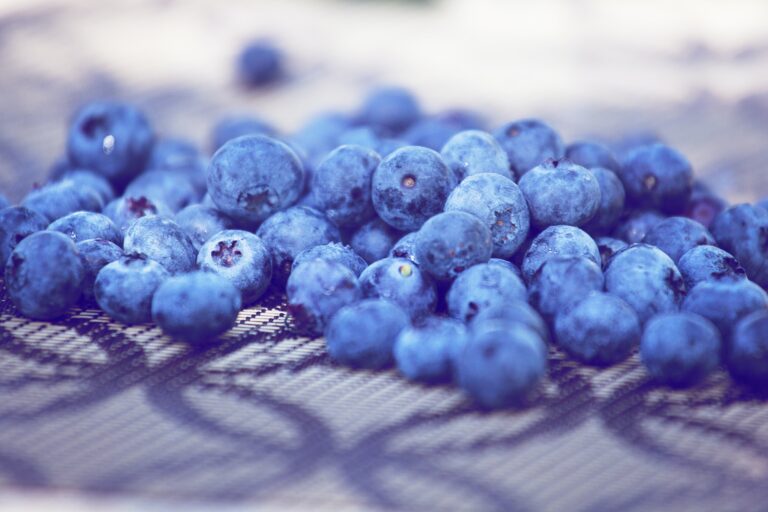
Winter can take a toll...



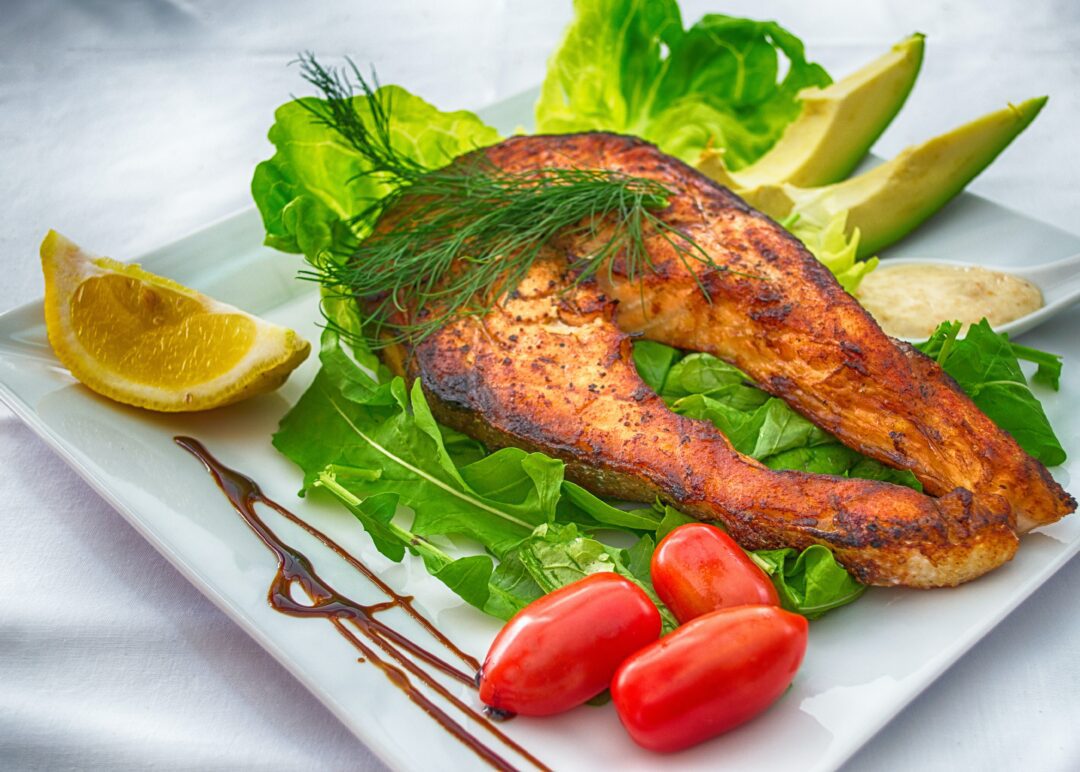

Incorporating foods rich in iron into your diet is crucial for maintaining good health. Iron is essential for the production of red blood cells, which carry oxygen throughout the body. In this blog post, we will discuss eight iron-rich foods that you can easily include in your daily diet to maintain optimal iron levels.

Red meat is one of the most well-known sources of dietary iron. Beef, pork, and lamb are all great sources of heme iron, which is the type of iron that is most easily absorbed by the body. Just 100 grams of beef liver contains about 6.5 mg of iron, which is over 36% of the recommended daily intake for adult men and women.

Poultry, such as chicken and turkey, is another excellent source of dietary iron. In addition to being rich in heme iron, like red meat, poultry also contains non-heme iron. This makes it a great option for individuals who prefer a lower intake of red meat or follow a vegetarian or vegan diet. A 100-gram serving of cooked chicken liver contains about 13 mg of iron, while the same serving of cooked turkey breast contains about 1.5 mg of iron.

Seafood, such as clams, oysters, mussels, and shrimp, is another great source of dietary iron. Clams, in particular, are incredibly rich in iron, containing about 28 mg of iron per 100 grams. Oysters and mussels are also good sources, with 7 mg and 6.7 mg of iron per 100 grams, respectively. Additionally, shrimp contains approximately 3 mg of iron per 100 grams, making it a tasty option for those looking to increase their iron intake.

Beans and legumes, such as lentils, chickpeas, and kidney beans, are a great source of iron for vegetarians and vegans. These foods are also high in fiber, which can help improve digestion and overall gut health. Additionally, they contain other nutrients, such as folate and magnesium, which play important roles in maintaining good health.

Nuts and seeds are also great sources of iron. For example, 1/4 cup of pumpkin seeds contains approximately 2 mg of iron, which is about 11% of the daily recommended intake. Additionally, 1 ounce of cashews provides around 1 mg of iron, or 6% of the daily recommended intake. Other iron-rich nuts and seeds include almonds, pine nuts, and sunflower seeds. These can be easily incorporated into meals or snacks, such as adding pumpkin seeds to a salad or snacking on a handful of almonds.

Leafy greens, such as spinach, kale, and collard greens, are excellent sources of iron. These greens are also high in vitamin C, which helps improve the absorption of iron in the body. One cup of cooked spinach, for example, contains about 6.4 mg of iron, which is about one-third of the recommended daily intake for women.

Fortified cereals are an excellent source of iron, especially for those who follow a vegetarian or vegan diet. These cereals are enriched with iron and other important nutrients that are essential for overall health. Some fortified cereals can provide up to 18 mg of iron per serving, making them a great addition to your diet.
When choosing a fortified cereal, be sure to check the label for the iron content and choose one that is low in sugar and high in fiber. It’s also important to pair fortified cereals with foods that are high in vitamin C, such as citrus fruits or berries, as this can help your body absorb the iron more effectively.

Dried fruits are another great source of iron. For instance, raisins are a quick and easy snack that’s high in iron. A cup of seedless raisins contains around 1.5 mg of iron. Dried apricots are also a good source of iron, with a cup providing around 4.5 mg of iron. You can enjoy dried fruits as a snack, add them to your oatmeal, or use them in baking recipes. Just be sure to choose unsweetened varieties to avoid added sugars.
In conclusion, iron is an essential mineral that plays a vital role in various bodily functions. Consuming foods that are rich in iron can help prevent iron deficiency anemia and promote overall health. While red meat is a great source of iron, it is not the only option. Incorporating poultry, seafood, beans and legumes, nuts and seeds, leafy greens, fortified cereals, and dried fruits into your diet can provide you with adequate iron intake. However, it is important to note that too much iron intake can also be harmful, so it is best to consult with a healthcare professional before making any significant dietary changes.