Winter can take a toll...





Gratitude is a powerful tool for improving mental health and overall well-being. When we focus on what we are thankful for, we shift our attention away from negative thoughts and emotions, which can reduce stress and anxiety. In this blog post, we will explore 9 different ways to practice gratitude and incorporate it into your daily life for improved mental health.

Keeping a gratitude journal is a popular and effective way to practice gratitude. By writing down things you are thankful for, you can focus on the positive aspects of your life, rather than dwelling on the negative. Here are some tips to get started:
By making gratitude a daily habit through journaling, you can train your brain to focus on the positive, which can have a significant impact on your mental health.

Practicing mindfulness is an effective way to cultivate gratitude and improve mental health. It involves being present in the moment and fully aware of your surroundings, thoughts, and emotions. By focusing on the present moment, you can cultivate a sense of appreciation for what you have and the beauty of the world around you. Mindfulness can be practiced through meditation, breathing exercises, and simply taking time to slow down and appreciate the present moment.
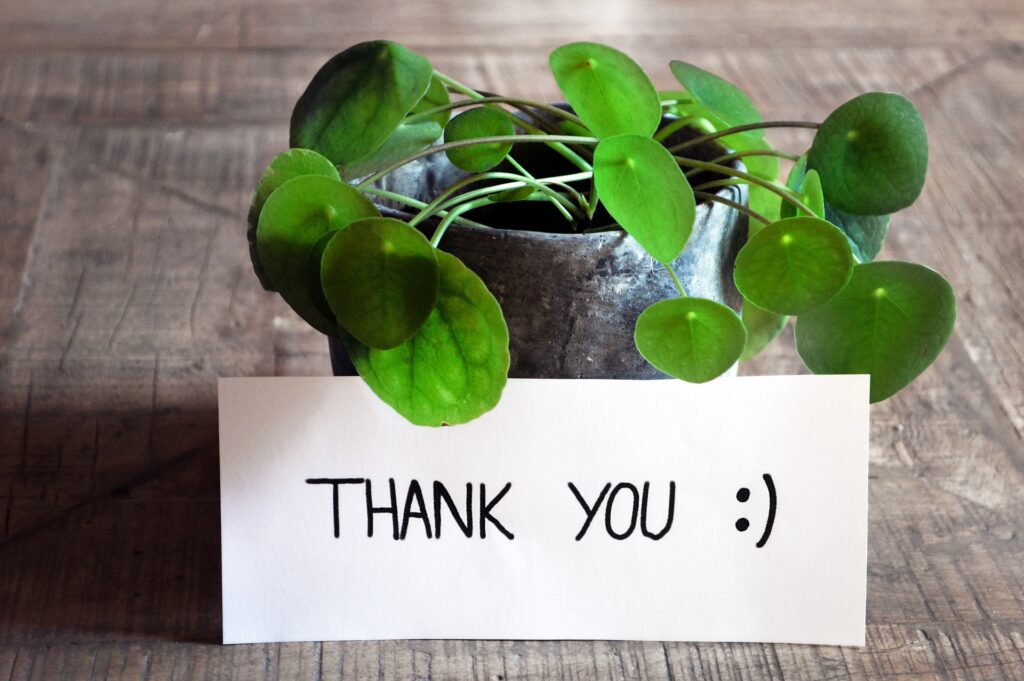
Expressing gratitude to others is a powerful way to improve your own mental health. Take time to let others know how much you appreciate them. You can write a thank you note, send a text or email, or simply tell someone in person. These expressions of gratitude can improve your relationships and help you feel more connected to others.

Volunteering is another great way to practice gratitude while also helping others. When you volunteer your time and skills to help those in need, you are not only making a positive impact on their lives, but also gaining a sense of fulfillment and gratitude for the opportunity to do so. You can volunteer in a variety of ways, such as at a local soup kitchen, animal shelter, or community center. Look for opportunities that align with your interests and values, and commit to a regular schedule to make the most impact. Not only will you feel good about helping others, but you may also develop new skills, make new friends, and gain a fresh perspective on life.
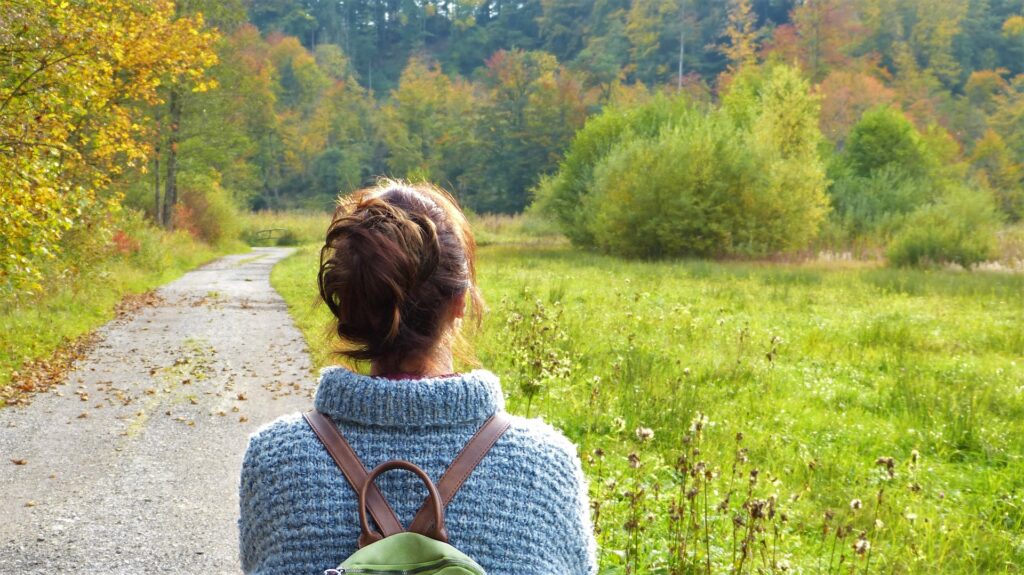
Connecting with nature can help you feel more grateful and present. Spending time in natural settings can help you feel more relaxed and reduce stress levels. Even something as simple as taking a walk in a park or looking out of a window at a natural landscape can help you feel more connected and appreciative. Take some time to notice the beauty around you, whether it’s the colors of the leaves, the sound of the birds, or the feel of the sun on your skin.
Practicing self-reflection is another way to cultivate gratitude and improve mental health. Take time to think about the positive aspects of your life, such as your accomplishments, relationships, and personal growth. Reflect on challenges you have faced and how you overcame them, as well as the lessons you learned from them. This can help you develop a greater sense of resilience and perspective, which can in turn improve your overall well-being. Try incorporating self-reflection into your daily routine, such as through meditation or journaling.

Finding joy in the simple things is a powerful way to cultivate gratitude and improve mental health. Take time to appreciate the small pleasures in life, such as a beautiful sunset, a cup of tea, or a good book. When you learn to find happiness in everyday moments, you’ll develop a greater sense of contentment and gratitude for the abundance in your life.

Building positive relationships with others can be a great source of gratitude and support for improved mental health. Surrounding yourself with positive people who uplift and inspire you can help foster feelings of gratitude and positivity. Take the time to nurture your relationships with family, friends, and colleagues by being present and attentive to their needs, celebrating their accomplishments, and showing them kindness and empathy. Practice active listening and communication to deepen your connections and show your appreciation for their presence in your life. Additionally, consider joining a community group or organization where you can meet new people and engage in activities that bring you joy and fulfillment.

Setting realistic goals is an important aspect of practicing gratitude for improved mental health. It allows you to focus on the present moment while also working towards a positive future. When setting goals, it’s important to make sure they are achievable and realistic to avoid disappointment and frustration. Celebrate small successes and progress towards your goals, which can help build self-confidence and foster a positive mindset.
In conclusion, practicing gratitude can have a significant impact on improving mental health. By incorporating these nine strategies into your daily life, you can cultivate a mindset of gratitude and experience the many benefits that come with it. Whether it’s keeping a gratitude journal, practicing mindfulness, or cultivating positive relationships, small actions can have a big impact on your overall well-being. So take some time each day to appreciate the good in your life and spread gratitude to those around you.