Winter can take a toll...





Having clear and healthy skin is something that many people desire. While proper skincare is important, what you eat also plays a significant role in your skin health. Certain foods can cause acne, inflammation, and other skin issues. In this blog post, we will discuss ten foods to avoid for clear skin, so you can make better dietary choices for your skin health.
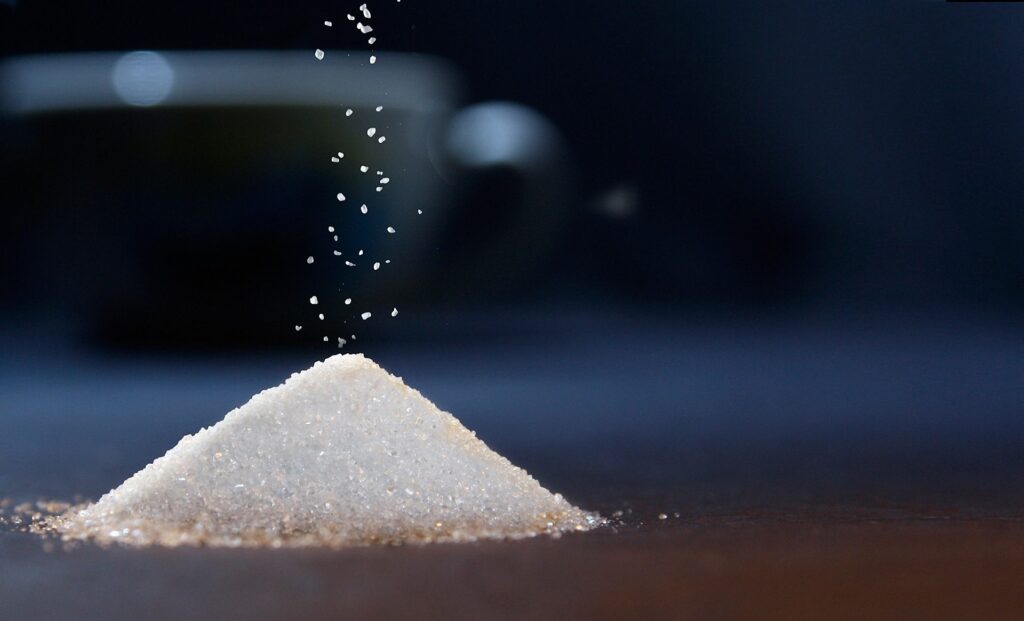
Sugar is one of the most harmful ingredients for clear skin. It can cause inflammation, leading to acne breakouts, and also accelerate the aging process by damaging collagen and elastin fibers. Consuming high amounts of sugar can also cause blood sugar spikes and crashes, which can result in skin problems such as rosacea, eczema, and psoriasis.

Dairy products like milk, cheese, and yogurt can trigger breakouts in some people. This is because they contain hormones and growth factors that can cause inflammation in the body and lead to acne. Additionally, many dairy products have a high glycemic index, which means they can cause a spike in insulin levels and worsen acne.

Processed foods are those that are heavily modified and have additional chemicals, sugars, and preservatives added to them. Consuming these types of foods can lead to inflammation in the body, which can lead to breakouts and other skin issues. Processed foods to avoid include fast food, frozen dinners, and packaged snacks.

Fried foods are often high in unhealthy fats and calories, which can contribute to inflammation and clogged pores. This can lead to acne breakouts and other skin issues, so it’s best to limit or avoid fried foods if you want clear skin.

Alcohol is a diuretic, which means it dehydrates the body and can leave the skin dry and dull-looking. Drinking alcohol also increases inflammation in the body, which can exacerbate skin conditions like acne and rosacea. Additionally, alcohol consumption can affect the liver’s ability to detoxify the body, which can lead to a buildup of toxins that can manifest as skin issues. To promote clear skin, it’s best to limit or avoid alcohol consumption altogether.

Gluten is a protein found in wheat, barley, and rye, and it can trigger inflammation in some people, leading to skin issues like acne and rosacea. Avoiding gluten-rich foods like bread, pasta, and baked goods may help improve skin health.

High-glycemic foods are those that are rapidly digested and cause a spike in blood sugar levels. These types of foods, such as white bread, white rice, and sugary snacks, can increase inflammation and exacerbate acne and other skin conditions.

Caffeine is a stimulant that is found in many foods and drinks, including coffee, tea, chocolate, and some soft drinks. While caffeine can provide a temporary boost in energy and alertness, it can also have negative effects on the skin. Caffeine can cause dehydration, which can make the skin look dry and dull. Additionally, caffeine can interfere with sleep, which can negatively impact the skin’s health and appearance. If you want clear skin, it’s best to limit your intake of caffeine and opt for water or herbal tea instead.

Spicy foods, such as hot peppers and curries, can cause inflammation in the body and aggravate skin conditions like acne and rosacea. Additionally, they can increase blood flow to the skin, leading to redness and irritation. It’s best to limit consumption of spicy foods if you want to maintain clear, healthy skin.

Excess salt in the diet can lead to water retention, which can result in puffiness and bloating of the skin. This can make the skin look tired and aged. Additionally, high salt intake can cause inflammation and aggravate skin conditions like acne and rosacea.
In conclusion, what we eat can greatly impact the health and appearance of our skin. By avoiding certain foods, such as those listed above, we can improve our skin’s clarity and overall health. It’s important to remember that everyone’s skin is unique, and what works for one person may not work for another. It’s always a good idea to consult with a dermatologist or nutritionist for personalized advice on how to maintain clear and healthy skin.