Taking care of your skin doesn’t have to be expensive or time-consuming. In fact, you can create effective and affordable face masks right in the comfort of your own home! In this article, we’ll share several DIY face mask recipes for different skin types, so you can pamper your skin naturally and achieve a healthy, glowing complexion. Whether you have dry, oily, or combination skin, we’ve got you covered.
1. DIY Face Masks for Oily Skin
Bentonite Clay Mask: Bentonite clay is a natural absorbent and can help control excess oil production. To make the mask, mix bentonite clay with water or apple cider vinegar until it forms a paste. Apply the mixture to your face and leave it on for 10-15 minutes before rinsing it off.
Egg White Mask: Egg whites have astringent properties that can help tighten pores and reduce oiliness. Separate the egg whites from the yolks, and apply them to your face. Leave the mask on for 15 minutes before rinsing it off with warm water.
Lemon and Honey Mask: Lemon has natural astringent properties and can help control oil production. Honey has antibacterial properties and can help keep your skin hydrated. Mix one tablespoon of lemon juice with one tablespoon of honey and apply it to your face. Leave the mask on for 15 minutes before rinsing it off.
Green Tea Mask: Green tea contains antioxidants that can help reduce oiliness and inflammation. Brew a cup of green tea and let it cool. Mix two tablespoons of the tea with two tablespoons of honey and apply it to your face. Leave the mask on for 15-20 minutes before rinsing it off.
Aloe Vera Mask: Aloe vera has anti-inflammatory properties and can help soothe irritated skin. Mix two tablespoons of aloe vera gel with one tablespoon of honey and apply the mixture to your face. Leave the mask on for 10-15 minutes before rinsing it off with warm water.
DIY Face Masks for Dry Skin
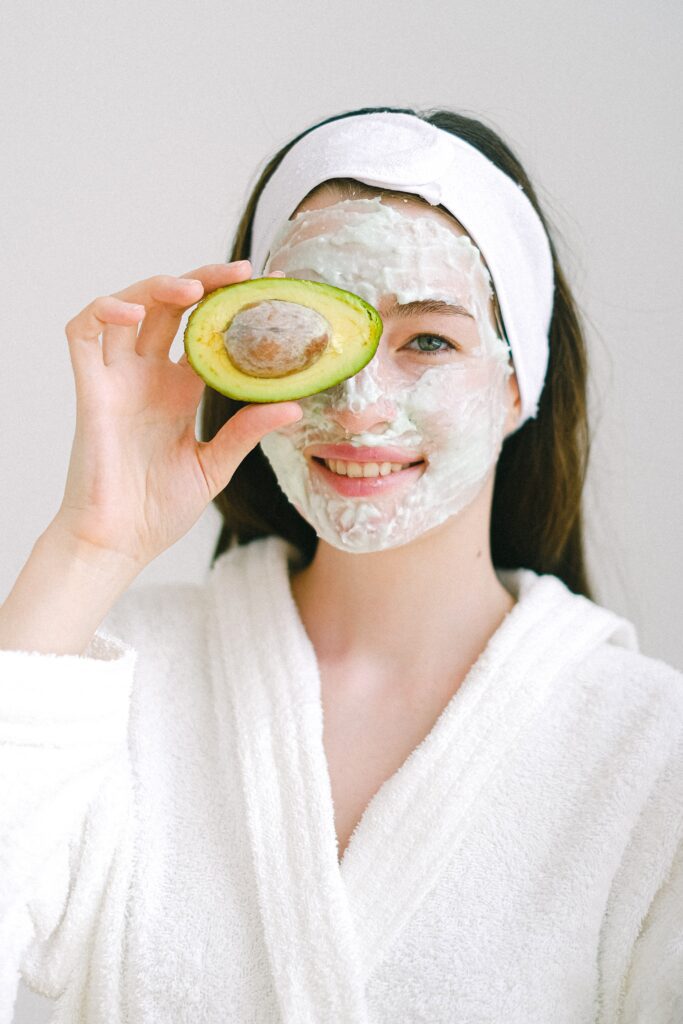
Avocado and Honey Mask: Mash 1 ripe avocado and mix in 1 tablespoon of honey. Apply the mixture to your face and leave it on for 15-20 minutes before rinsing off with warm water. Avocado contains healthy fats and vitamins that can nourish and hydrate dry skin, while honey has natural antibacterial properties that can help prevent breakouts.
Oatmeal and Yogurt Mask: Mix 1/2 cup of plain yogurt with 1/3 cup of oatmeal and let it sit for a few minutes to thicken. Apply the mixture to your face and leave it on for 15-20 minutes before rinsing off with warm water. Oatmeal has anti-inflammatory properties that can soothe dry, irritated skin, while yogurt contains lactic acid that can gently exfoliate and hydrate.
Banana and Olive Oil Mask: Mash 1 ripe banana and mix in 1 tablespoon of olive oil. Apply the mixture to your face and leave it on for 15-20 minutes before rinsing off with warm water. Bananas are rich in vitamins and minerals that can help hydrate and protect dry skin, while olive oil has antioxidant properties that can help prevent damage from free radicals.
Aloe Vera and Almond Oil Mask: Mix 1 tablespoon of aloe vera gel with 1 tablespoon of almond oil. Apply the mixture to your face and leave it on for 15-20 minutes before rinsing off with warm water. Aloe vera has anti-inflammatory and moisturizing properties that can soothe and hydrate dry skin, while almond oil contains vitamin E and fatty acids that can nourish and protect.
Cocoa and Coconut Oil Mask: Mix 1 tablespoon of cocoa powder with 1 tablespoon of coconut oil. Apply the mixture to your face and leave it on for 15-20 minutes before rinsing off with warm water. Cocoa contains antioxidants that can help prevent damage from free radicals, while coconut oil has anti-inflammatory and antibacterial properties that can hydrate and protect dry skin.
DIY Face Masks for Combination Skin
Combination skin is characterized by having both oily and dry areas on the face. This skin type requires a balance of hydration and oil control to keep it healthy and glowing. Here are two DIY face masks that are perfect for combination skin:
Honey and Yogurt Mask: Ingredients:
1 tablespoon honey
1 tablespoon plain yogurt
Instructions:
Mix the honey and yogurt together until well combined.
Apply the mixture to your face and let it sit for 15-20 minutes.
Rinse off the mask with warm water and pat your face dry.
Honey has antibacterial properties that can help prevent breakouts, while yogurt contains lactic acid that can exfoliate and hydrate the skin.
Avocado and Egg White Mask: Ingredients:
1/2 ripe avocado
1 egg white
1 tablespoon lemon juice
Instructions:
Mash the avocado in a bowl until it is smooth.
Add the egg white and lemon juice and mix well.
Apply the mixture to your face and let it sit for 15-20 minutes.
Rinse off the mask with warm water and pat your face dry.
Avocado is rich in fatty acids and vitamin E, which can help moisturize and nourish dry areas of the skin. Egg white helps to tighten and firm the skin, while lemon juice helps to balance oil production.
These masks can be used once or twice a week to help balance combination skin and keep it healthy and radiant.
DIY Face Masks for Sensitive Skin
Honey and Oatmeal Mask: Mix 2 tablespoons of honey and 1 tablespoon of finely ground oatmeal. Apply the mixture to your face and leave it on for 15-20 minutes before rinsing off with warm water.
Aloe Vera Mask: Mix 2 tablespoons of aloe vera gel and 1 tablespoon of plain yogurt. Apply the mixture to your face and leave it on for 15-20 minutes before rinsing off with cool water.
Cucumber and Yogurt Mask: Blend 1/2 cucumber and mix with 1 tablespoon of plain yogurt. Apply the mixture to your face and leave it on for 15-20 minutes before rinsing off with cool water.
Chamomile and Green Tea Mask: Steep 1 chamomile tea bag and 1 green tea bag in boiling water for 5 minutes. Mix the tea with 1 tablespoon of honey and apply to your face. Leave it on for 15-20 minutes before rinsing off with cool water.
Sensitive skin can be easily irritated, so it’s important to be cautious when trying new products. Always patch test a small area of skin before applying the mask to your face. If you experience any redness, itching or discomfort, rinse the mask off immediately.
Conclusion
In conclusion, there are a variety of DIY face masks that can be made with natural ingredients to suit different skin types. By incorporating these masks into your skincare routine, you can achieve healthier, clearer, and more radiant skin. However, it’s important to remember that everyone’s skin is unique, and what works for one person may not work for another. If you have any concerns about your skin, it’s always a good idea to consult with a dermatologist.